Uncovering how transaction validations steer access to specialized reel multipliers in app-based licensed environments
Greta Brooks · Aug 14, 2026
Uncovering how transaction validations steer access to specialized reel multipliers in app-based licensed environments
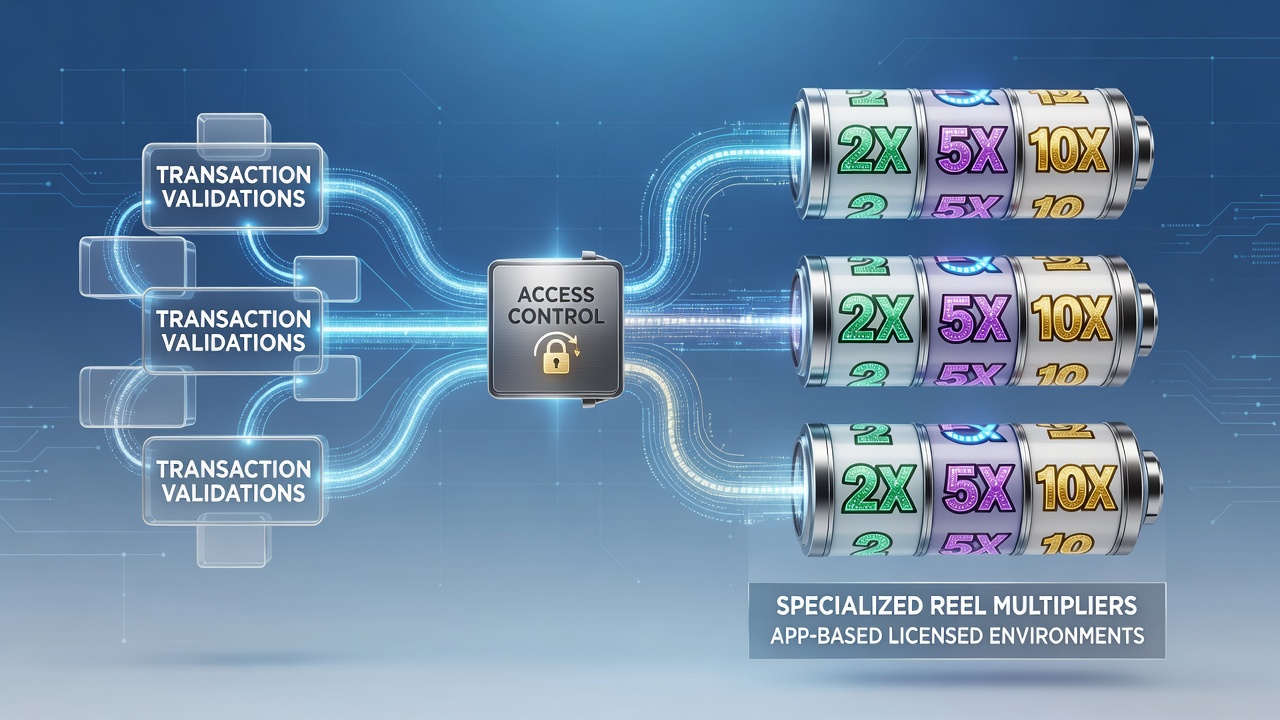
Transaction validations form a core mechanism in app-based licensed environments where deposit confirmations and payment processing checks directly influence which specialized reel multipliers become available to users during slot sessions, and data from regulatory filings shows these systems operate under strict compliance frameworks that tie financial approvals to game feature unlocks across multiple jurisdictions.
Mechanics of Validation-Driven Multiplier Access
Payment gateways in these platforms conduct real-time checks that verify transaction legitimacy before releasing access to tiered multipliers on reel-based games, and this process ensures that only validated deposits trigger higher multiplier tiers such as 5x or 10x configurations on specific slot variants while unconfirmed transactions remain restricted to base levels. Observers note that software protocols embedded in licensed applications monitor deposit amounts and source verification results, then automatically adjust the available reel features accordingly so that larger or repeatedly validated transactions open pathways to advanced multiplier sets that alter payout calculations during spins.
Studies from industry research groups indicate that these validations occur within seconds of deposit initiation in most mobile setups, creating a direct link between financial clearance and game progression that prevents unauthorized access to enhanced reel mechanics. Experts have observed that the system logs each validation step to maintain audit trails required by licensing authorities, which in turn allows platforms to demonstrate adherence to rules governing fair play and responsible feature distribution.
Regulatory Frameworks Governing These Processes
Licensing bodies across regions enforce standards that require transaction validation systems to integrate with game servers so that multiplier access remains conditional on completed financial checks, and reports from the Pennsylvania Gaming Control Board highlight how such integrations support revenue tracking while aligning with broader consumer protection mandates. In August 2026, updated compliance guidelines in several U.S. states emphasized the need for transparent validation logs that connect deposit approvals to reel feature availability, reflecting ongoing efforts to standardize practices amid rising mobile gaming volumes.
Canadian regulators through the Alcohol and Gaming Commission of Ontario have documented similar requirements where validated transactions serve as gateways to specialized multipliers, ensuring that app ecosystems maintain consistent controls across reel and card variants. These frameworks also address cross-border transaction handling, requiring platforms to apply uniform validation criteria regardless of player location within licensed markets.
Impact on Player Pathways and Game Variants
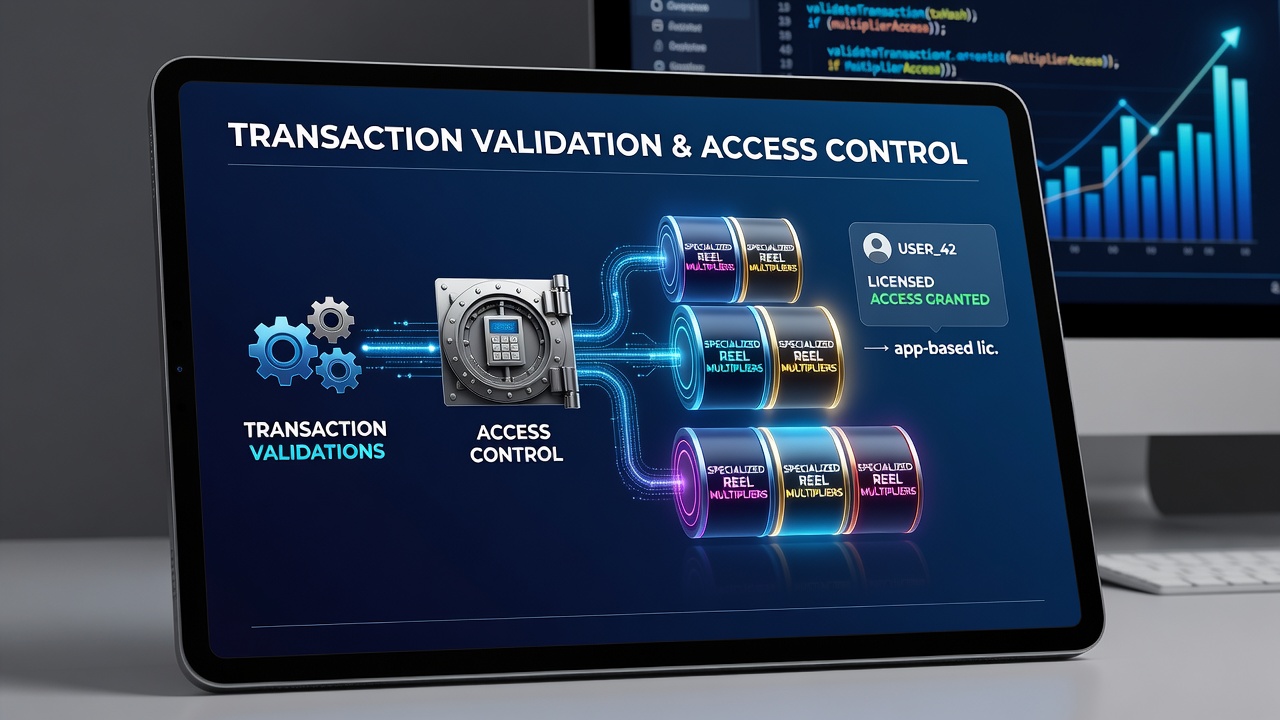
Once a transaction clears validation, users gain entry to reel multipliers that scale with deposit history and verification status, and this steering effect directs traffic toward particular slot titles that feature those unlocked mechanics while leaving other variants at standard settings. Research indicates that platforms configure these rules to balance player engagement with regulatory limits, so that repeated successful validations progressively expand multiplier options without bypassing established thresholds.
Case examples from operational audits reveal that certain app environments tie multiplier tiers explicitly to payment method types, where e-wallet confirmations unlock faster access compared to traditional card processes, yet all routes remain subject to teh same core validation steps. Data shows this differentiation influences session length and game selection patterns across user bases in licensed regions.
Technical Integration and Security Measures
Backend systems combine encryption protocols with validation APIs to confirm transaction details before activating any specialized reel multipliers, and this layered approach reduces risks associated with fraudulent activity while preserving the integrity of licensed operations. Those who have examined these architectures note that real-time synchronization between payment processors and game engines ensures multipliers activate only after full clearance, creating seamless yet controlled experiences for users.
Additional safeguards include threshold monitoring that flags unusual transaction patterns and temporarily restricts multiplier access until further review, aligning with broader industry standards for security in digital gaming environments. Such measures support the overall ecosystem by maintaining trust in validation-driven feature distribution.
Conclusion
Transaction validations continue to shape access to specialized reel multipliers through structured, regulation-backed processes in app-based licensed environments, and ongoing developments in August 2026 underscore their role in sustaining compliant and secure mobile gaming operations across varied jurisdictions. These systems link financial approvals directly to game mechanics, guiding user interactions while upholding the standards set by licensing authorities.