The Pathway from Transaction Approval to Customized Game Selections in Digital Casino Ecosystems
Cameron Krüger · Jul 24, 2026
The Pathway from Transaction Approval to Customized Game Selections in Digital Casino Ecosystems
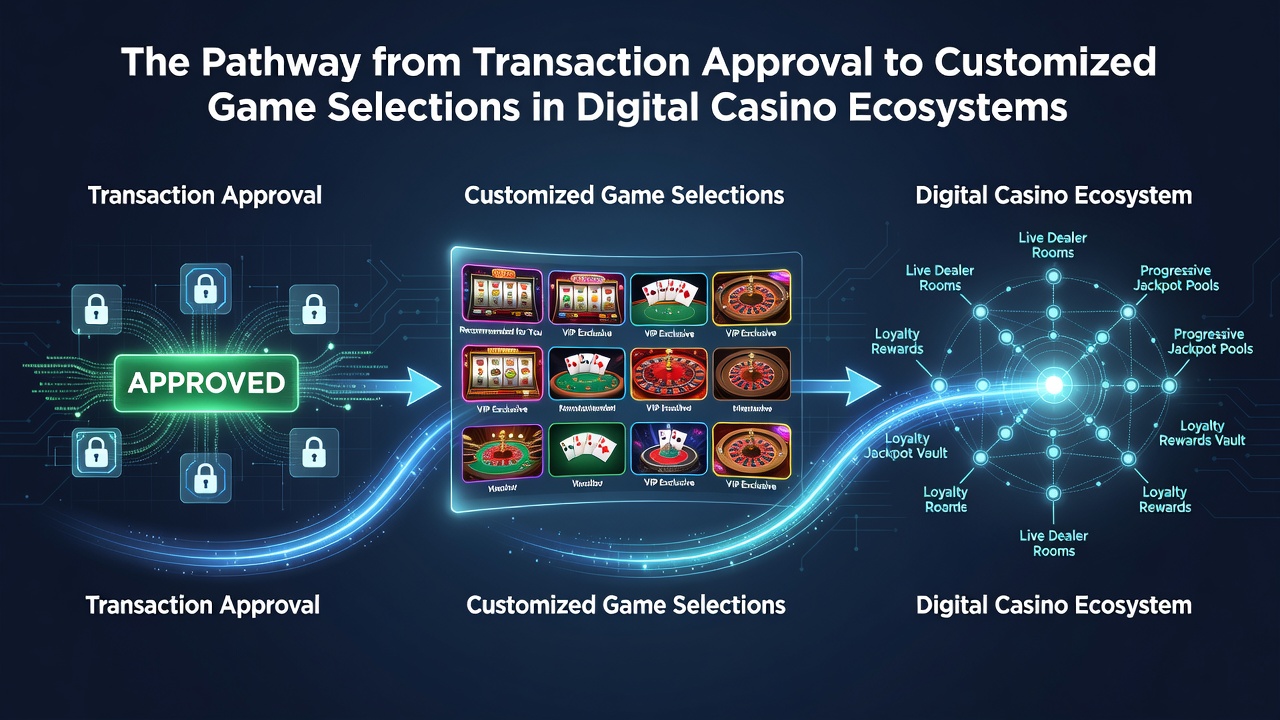
Transaction approval in digital casino platforms marks the starting point for a sequence of automated processes that connect payment verification directly to tailored game suggestions. Systems handle this transition through secure gateways that confirm funds before passing structured data points into analytics engines. Research from industry reports indicates that these handoffs occur in milliseconds across most licensed operations, allowing platforms to maintain session continuity without interruption.
Transaction Verification and Initial Data Capture
Once a deposit clears, platforms record details such as amount, payment method, time of day, and device type. These elements feed into player profiles that already contain historical patterns from prior sessions. Data shows that operators in multiple jurisdictions, including those regulated by the New Jersey Division of Gaming Enforcement, maintain audit logs that track each approval step to ensure compliance. The captured information then moves into recommendation modules without requiring additional player input.
Player Profiling Through Integrated Analytics
Analytics engines combine the new transaction data with existing behavioral records to update preference models. Studies from academic sources like those published by the University of Nevada, Las Vegas International Gaming Institute have examined how deposit frequency and size correlate with specific game categories over time. Observers note that real-time updates allow profiles to reflect recent activity, such as increased engagement with certain reel mechanics or table variants following larger deposits. This profiling occurs continuously, building layered views of player tendencies across mobile and desktop environments.
Algorithmic Pathways to Game Customization
Recommendation algorithms process the updated profiles through decision trees and machine learning models that prioritize content matching established patterns. Figures from the European Gaming and Betting Association reveal that many platforms deploy hybrid systems combining rule-based filters with predictive scoring to surface game selections. For instance, a player whose transaction history shows consistent activity in progressive slots might receive prompts for similar titles featuring comparable volatility levels. These outputs appear as featured sections or direct navigation links once the session resumes after approval.
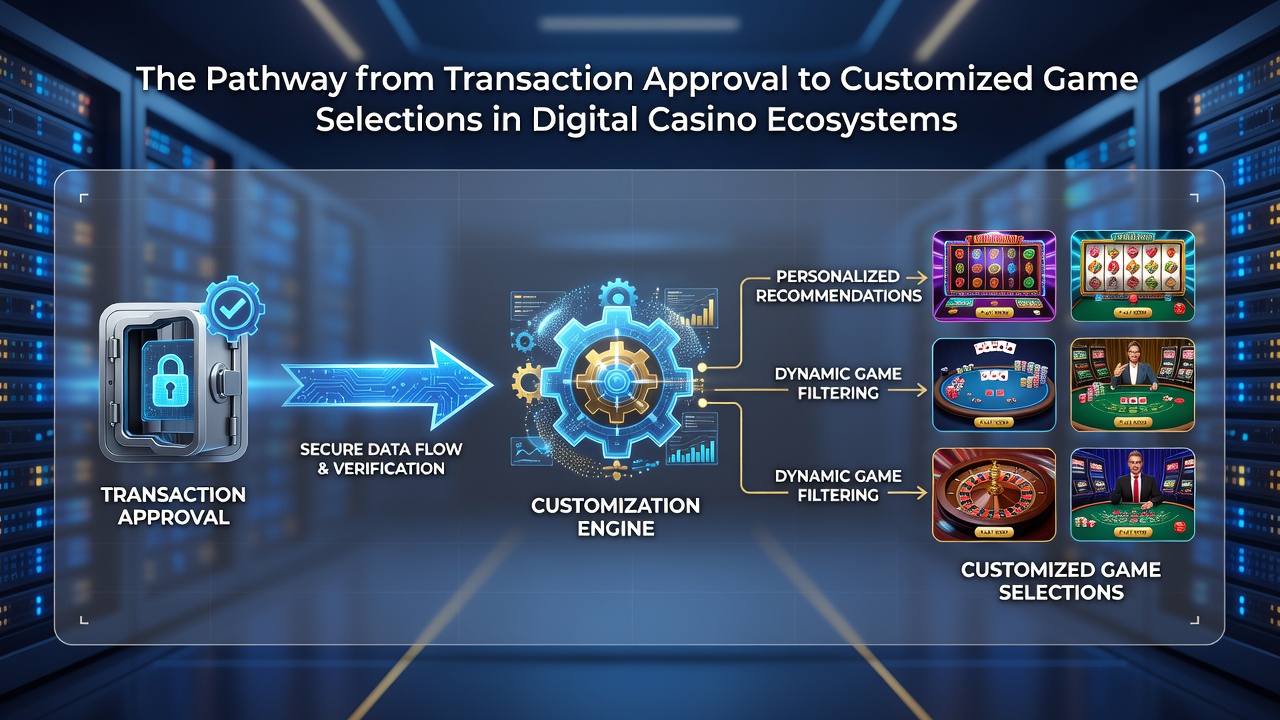
Customization extends beyond simple category matching. Platforms adjust elements such as stake ranges, bonus eligibility indicators, and even interface layouts based on transaction-derived insights. In July 2026, several operators reported expanded testing of contextual personalization tied to deposit timing, where afternoon approvals triggered different game clusters than evening ones. The process maintains separation between financial data and game delivery layers to meet licensing requirements across regions.
Regulatory Frameworks Shaping Data Flows
Licensed ecosystems operate under rules that govern how transaction information translates into player-facing recommendations. Canadian provincial regulators, for example, require clear separation between payment processing and promotional content delivery. Similar standards appear in Australian state frameworks, where operators must demonstrate that customization algorithms do not override responsible gaming controls. These requirements shape the technical architecture, ensuring that game suggestions remain optional and that players retain full navigation freedom after any approval event.
Implementation Across Platform Types
Mobile applications and web-based portals both execute the pathway, though interface differences affect how recommendations display. App ecosystems often embed suggestions within post-deposit screens, while browser versions use sidebar modules or pop-up carousels. Case examples from operators in Michigan show that cross-device synchronization keeps profiles consistent, so a transaction approved on a tablet influences selections shown later on a desktop session. The underlying data pipeline stays identical regardless of access method.
Conclusion
The sequence from transaction approval to customized game selections relies on tightly integrated data systems that respect regulatory boundaries while delivering relevant options. Evidence from multiple jurisdictions confirms that these pathways continue to evolve through incremental refinements in analytics and compliance protocols. Platforms maintain the connection through structured handoffs that prioritize both operational efficiency and adherence to established standards.