Regulatory Protocols Guiding Feature Activation Sequences Within Crypto Enabled Portable Reel and Card Formats
Cameron Krüger · Jun 23, 2026
Regulatory Protocols Guiding Feature Activation Sequences Within Crypto Enabled Portable Reel and Card Formats
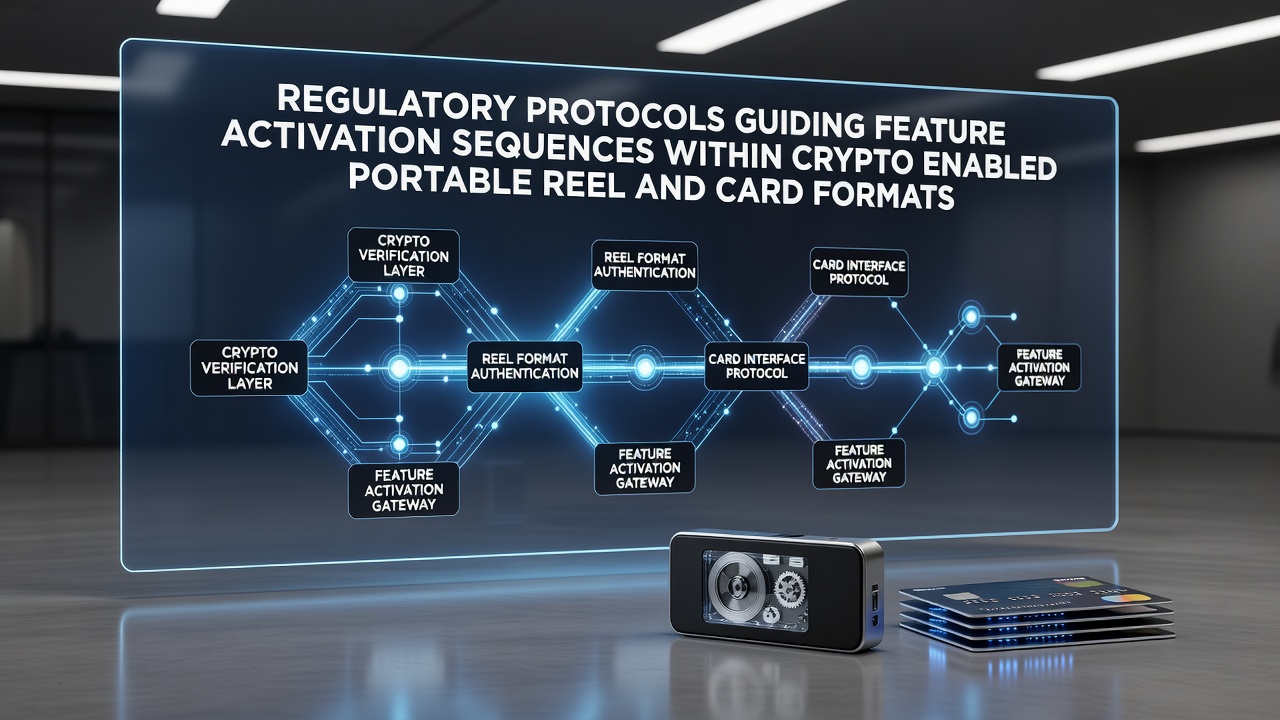
Regulatory frameworks establish clear sequences for feature activation in crypto-enabled portable reel and card formats, and these protocols require verification steps at each stage to maintain system integrity across mobile platforms. Developers integrate cryptographic signatures into the activation process, which links player wallets directly to game mechanics while compliance checks occur in real time before multipliers or bonus rounds engage.
Core Elements of Activation Protocols
Standards set by oversight bodies demand that every feature trigger in reel formats undergoes random number generator certification first, and the same applies to card variants where dealer interactions depend on encrypted data streams. Portable devices must authenticate user sessions through multi-factor methods tied to blockchain transactions, and this process prevents unauthorized access to progressive elements or side bets in card games.
Protocols also specify timing requirements for sequence execution, so reel spins cannot unlock enhanced paylines until transaction confirmations reach predetermined block heights, whereas card formats enforce similar delays before community cards reveal during live sessions. These measures align with broader anti-money laundering directives that track fund flows from deposit to feature use.
Regional Implementation Variations
Authorities in North America apply distinct verification layers compared to European counterparts, with the New Jersey Division of Gaming Enforcement requiring audit logs that capture every activation event in crypto portable systems. European regulators meanwhile emphasize interoperability standards that allow seamless transitions between reel and card formats on the same device without resetting compliance flags.
Data from the Malta Gaming Authority shows that licensed operators updated their sequence handlers in early 2026 to accommodate faster crypto settlement times, yet retained mandatory pauses for high-value feature triggers. Such adjustments reflect ongoing efforts to balance player experience with transaction traceability across different jurisdictions.
Technical Requirements for Crypto Integration
Smart contract logic governs many activation sequences in these formats, which means reel bonus rounds and card game multipliers activate only after on-chain validation confirms sufficient balances and regulatory clearances. Portable applications embed these contracts within their client-side code, allowing offline simulation of sequences that finalize upon reconnection to the network.

Hardware security modules on mobile devices store private keys used for signing activation requests, and this setup reduces exposure during reel cascades or card draws that depend on real-time crypto confirmations. Observers note that June 2026 saw several operators publish updated technical specifications detailing how these modules interact with regulatory APIs to log feature engagements.
Compliance Monitoring and Reporting
Continuous monitoring systems scan activation sequences for anomalies such as rapid successive triggers in reel games or unusual card hand patterns funded by crypto, and operators must submit aggregated reports to regulators at regular intervals. Research from the Financial Action Task Force on virtual assets highlights how these reports help identify patterns that might indicate non-compliant fund movements through portable gaming channels.
Testing laboratories certify that activation pathways in both reel and card formats meet jurisdictional benchmarks before deployment, which includes stress evaluations under simulated high-volume crypto traffic. Updates released around June 2026 incorporated new test cases focused on cross-format interactions where reel winnings feed directly into card game buy-ins.
Future Protocol Developments
Emerging standards propose expanded use of zero-knowledge proofs to verify activation eligibility without exposing full transaction details, and this approach could streamline processes in portable environments while preserving audit capabilities. Industry groups continue to collaborate on unified frameworks that address both reel and card variants under a single set of crypto compliance rules.
Conclusion
Regulatory protocols for feature activation sequences in crypto-enabled portable reel and card formats continue to evolve through coordinated efforts among global authorities, technical laboratories, and licensed operators, and these developments ensure consistent safeguards as mobile platforms expand their capabilities. Ongoing refinements in June 2026 and beyond reflect responses to technological advances in blockchain integration and the need for precise control over every step in the activation chain.