Regulatory Frameworks Steering Access to Varied Mechanics Across Virtual Play Networks
Erik Powell · Jul 31, 2026
Regulatory Frameworks Steering Access to Varied Mechanics Across Virtual Play Networks
Regulatory frameworks around the world shape which game mechanics become available to players in virtual play networks, and these rules determine everything from randomized reward systems to skill progression paths while enforcing regional boundaries on content delivery. Data from multiple jurisdictions shows that licensing requirements and content classification systems create distinct access patterns across platforms, with operators adjusting mechanics based on compliance demands that vary by territory and player demographics.
Classification Systems and Mechanic Restrictions
Classification boards establish rating criteria that directly influence whether certain mechanics appear in released versions of games, and these decisions often hinge on the presence of chance-based elements or monetization features that trigger additional scrutiny. In Australia the Classification Board evaluates interactive entertainment products under national guidelines that restrict mechanics involving simulated gambling or excessive randomization for younger audiences, while Canadian provincial regulators apply similar standards through coordinated review processes that emerged in updates finalized before July 2026. Observers note that developers frequently modify loot box probabilities or remove them entirely when targeting markets with stricter classifications, and this adaptation creates fragmented experiences where the same title offers different progression mechanics depending on the user's location.
Regional Variations in Access Controls
European Union directives on digital services and consumer protection require platforms to implement age verification and spending limits that steer users toward mechanics with transparent pricing structures, whereas jurisdictions in Asia have introduced separate licensing tiers for games containing gacha or draw-based systems. Research indicates that these layered rules lead operators to segment their virtual play networks into distinct server environments, each calibrated to local compliance standards, and players encounter different sets of available mechanics when crossing regional boundaries through account transfers or VPN usage. One study from an academic institution tracking platform data revealed that mechanics tied to real-money transactions face the highest volume of modifications, with operators disabling or altering features to maintain approval across multiple regulatory zones simultaneously.
Licensing Requirements and Content Delivery
Operators must secure specific approvals before deploying mechanics that involve player-versus-player competition or persistent economy systems, and these approvals often come with conditions that limit feature rollout until audits confirm adherence to fairness standards. In the United States various state-level bodies coordinate with federal agencies on consumer protection guidelines that affect how virtual currencies and progression items are presented, while reports from the Entertainment Software Association highlight ongoing efforts to standardize disclosure practices for randomized mechanics across member companies. What's interesting is how these licensing checkpoints create staggered release schedules, with certain mechanics launching first in less restrictive markets before gradual expansion occurs once additional certifications are obtained.
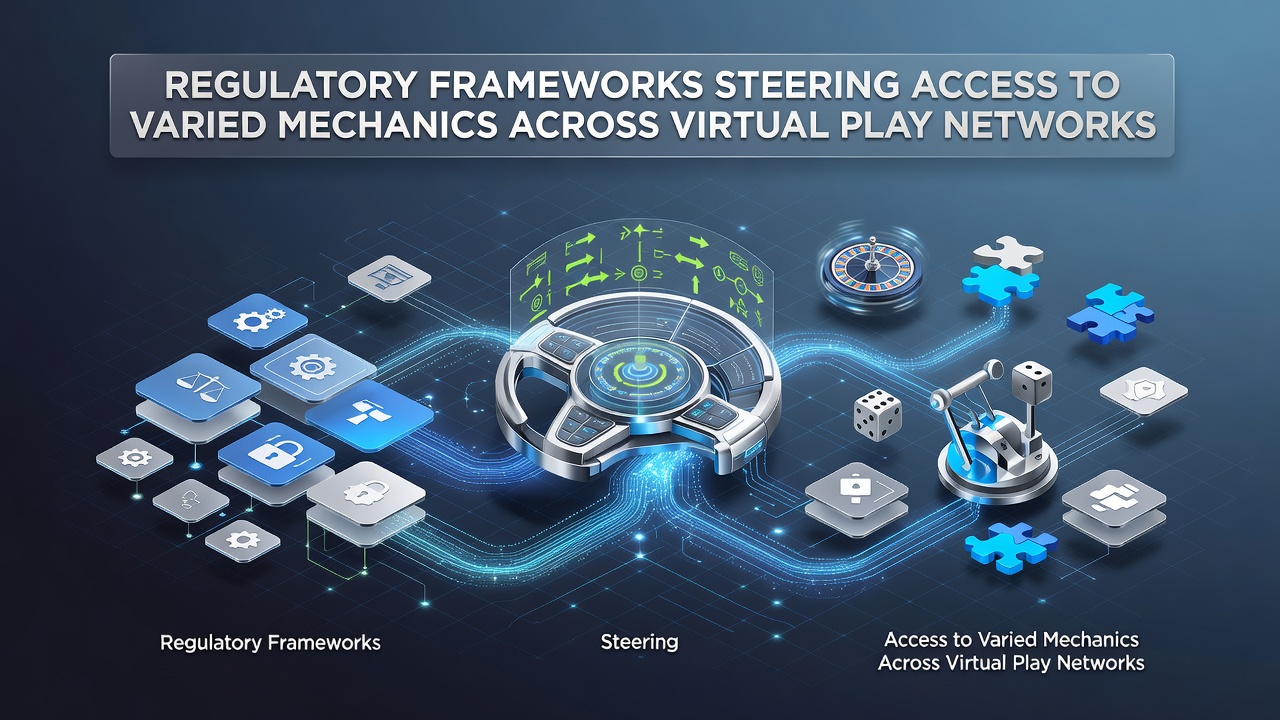
Platform providers respond by building modular systems that toggle mechanics on or off based on detected user location and verified compliance status, and this technical approach allows networks to maintain broad availability while satisfying divergent regulatory demands. Figures from industry reports compiled in early 2026 demonstrate that titles incorporating cross-region play features invest significant resources in backend controls that enforce mechanic availability rules without disrupting core gameplay loops for compliant users.
Impact on Player Pathways and Economy Design
Virtual play networks incorporate regulatory feedback into economy design from the initial development stages, and this integration means that progression systems often include built-in flexibility to accommodate future rule changes across different territories. Data shows that games with global audiences maintain separate balance tables for mechanics such as experience multipliers or item durability rates, adjusting values according to the strictest applicable standards in active markets. Those who've examined platform architectures note that audit trails now routinely link regulatory submissions to specific mechanic parameters, creating documentation that supports ongoing compliance verification while enabling rapid updates when frameworks evolve.
Emerging Standards in July 2026
By July 2026 several jurisdictions had implemented updated reporting requirements for in-game transaction volumes tied to specific mechanics, and these mandates prompted operators to refine data collection practices that feed directly into regulatory oversight portals. Canadian and Australian authorities published aligned guidance documents emphasizing transparency around mechanic probability disclosures, while EU member states advanced harmonization efforts under existing digital single market frameworks that influence how cross-border play sessions handle varying access rules. Industry organizations tracking these developments report that developers increasingly rely on automated compliance tools to map mechanic configurations against regulatory checklists before deployment, reducing the likelihood of post-launch modifications that could affect player retention across networks.
Conclusion
Regulatory frameworks continue to steer access to varied mechanics across virtual play networks through classification, licensing, and technical controls that adapt to evolving standards in multiple regions. Evidence from platform operations and compliance reports confirms that these systems produce differentiated experiences based on location and verification status, while operators maintain functionality by designing modular architectures capable of supporting region-specific configurations. As frameworks mature, the interplay between regulatory requirements and mechanic availability shapes the structure of virtual play environments in measurable ways that affect both development cycles and player engagement patterns.