Navigating Deposit Flexibility and Its Effects on Game Variant Choices Within App-Based Entertainment Platforms
Erik Powell · Aug 23, 2026
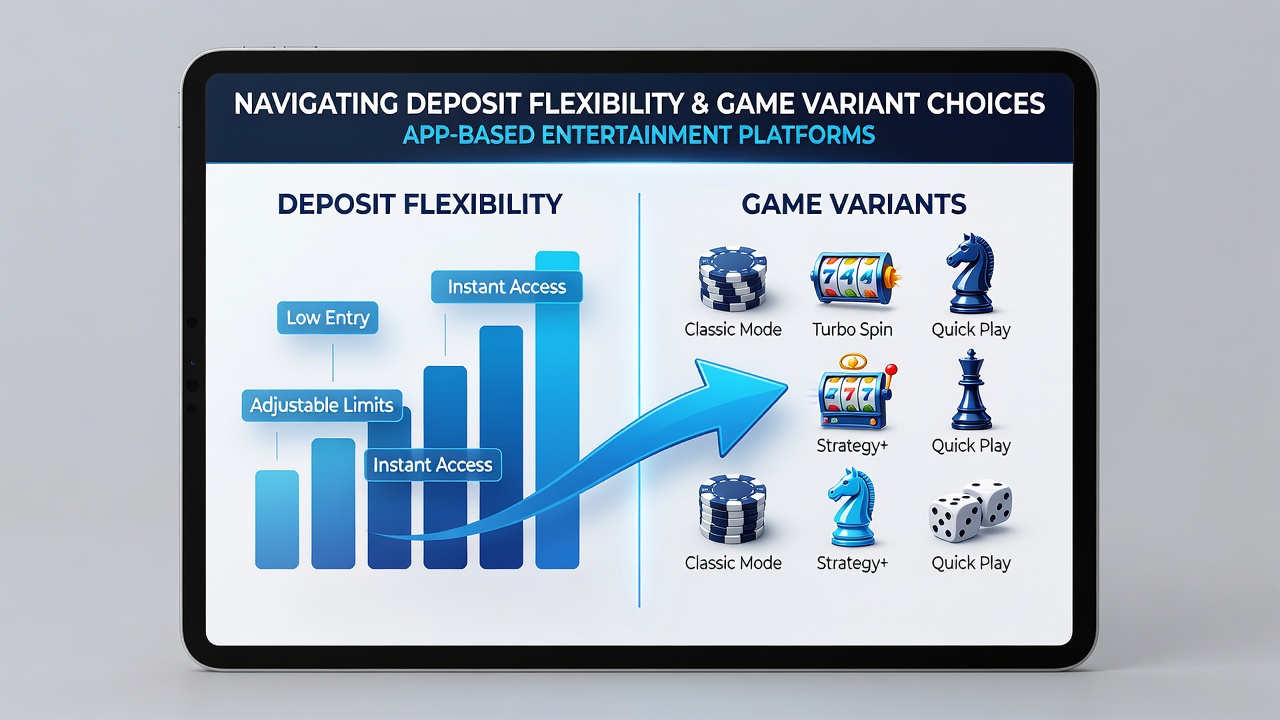
Navigating Deposit Flexibility and Its Effects on Game Variant Choices Within App-Based Entertainment Platforms
App-based entertainment platforms continue to expand their payment features throughout 2026, allowing users greater control over how and when funds reach their accounts. This flexibility influences decisions about which game variants players select once they enter the app environment, with data from recent industry reports indicating shifts toward certain reel-based options or dealer-led experiences depending on transfer speed and method availability.
Understanding Deposit Options Across Mobile Platforms
Users encounter multiple pathways for adding funds, ranging from instant bank transfers and digital wallet services to cryptocurrency options that clear within minutes. Platforms track these patterns closely, noting that quicker arrivals often align with selections in live dealer sections while delayed processing correlates more with reel variants that require less immediate engagement. According to figures released by the American Gaming Association, mobile deposits accounted for over 68 percent of total activity in regulated markets during the first half of 2026, with variations tied directly to available processing times.
Observers note that deposit minimums and maximums also factor into these choices, since some variants impose different thresholds before play can begin. A player who opts for a low-fee e-wallet transfer might proceed immediately to card-based tables, whereas someone using a scheduled bank link could start with automated reel spins that accommodate waiting periods without pressure.
How Transfer Timing Steers Variant Preferences
Research from regulatory filings shows clear correlations between deposit speed and game selection. In August 2026, data compiled across multiple state systems revealed that apps offering same-day crypto clearances saw a 14 percent uptick in live table participation compared to those relying on traditional ACH methods. Those who've examined user logs find that instant options reduce hesitation before entering time-sensitive dealer sessions, while slower routes encourage extended sessions on slot variants where pacing feels less urgent.
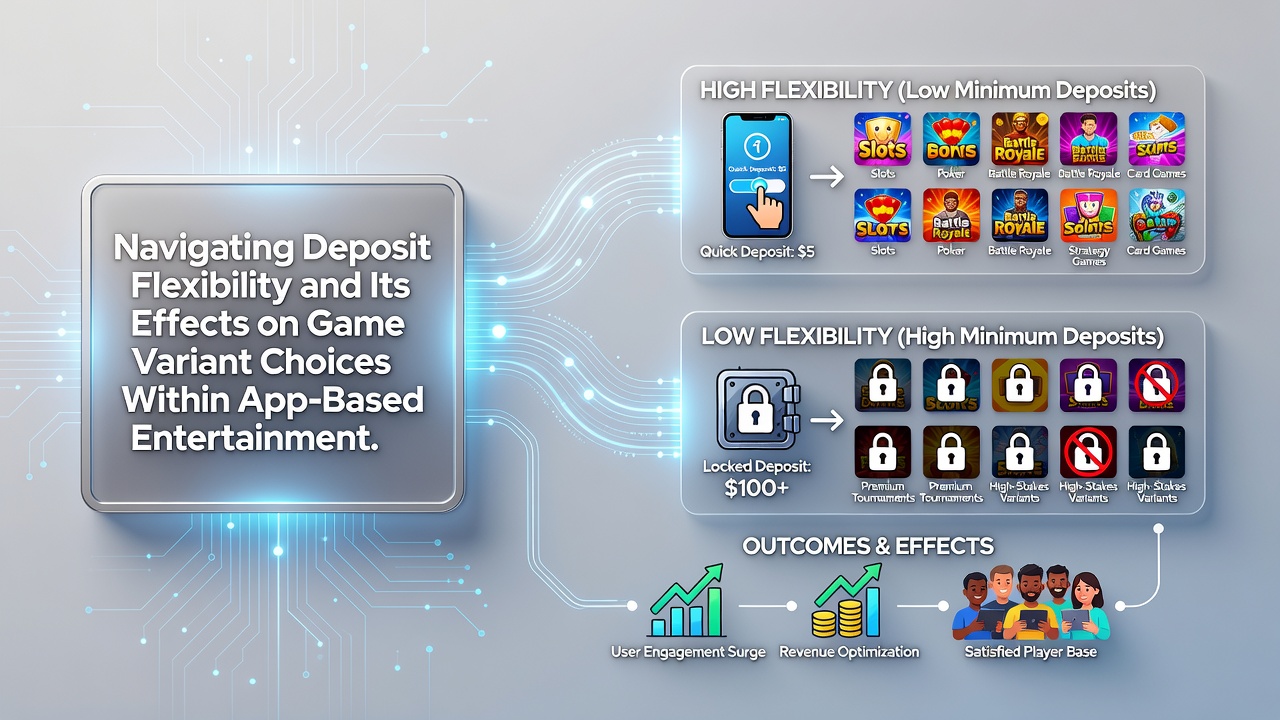
Take one analysis conducted by researchers at the University of Nevada's gaming studies program, which followed thousands of app sessions over several months. Participants who selected flexible deposit tiers with adjustable limits tended to rotate between reel and table categories more fluidly, whereas fixed high-speed transfers locked many into single-variant play for longer stretches. This pattern held steady even after controlling for bonus structures and reward tiers.
Regional Patterns and Regulatory Influences
Different jurisdictions shape these dynamics through their oversight of payment timelines. Reports from Australia's National Consumer Protection Framework highlight how mandated cooling-off periods on certain transfers push users toward asynchronous reel experiences rather than live formats that demand real-time presence. In contrast, Canadian provincial systems have documented higher engagement with dealer variants when apps integrate rapid Interac options that settle before the next round begins.
Experts tracking these trends emphasize that certification requirements for payment processors also play a role, since verified instant methods receive priority placement in app interfaces. One study released in mid-2026 by the European Gaming and Betting Association tracked over 2.3 million transactions and found that apps with diversified deposit menus experienced broader distribution across game types, reducing concentration in any single category.
Practical Examples from User Behavior Data
There's this case where platform operators adjusted their deposit menus in response to observed patterns, adding more wallet choices and noting subsequent increases in hybrid play styles. Users who previously stuck to one variant began sampling both reel and card options once processing times aligned more closely with session lengths. Data indicates these adjustments produced measurable lifts in overall engagement without altering underlying game mechanics.
Another example comes from New Jersey Division of Gaming Enforcement records, which logged a rise in mixed-variant sessions during periods when apps promoted flexible deposit bundles. Players combined smaller, frequent transfers for quick table access with larger scheduled deposits earmarked for extended reel play, creating distinct pathways that operators now monitor through aggregated analytics.
Conclusion
Deposit flexibility continues to interact with game variant selections in measurable ways across app-based platforms. Regulatory data from multiple regions demonstrates consistent links between transfer characteristics and user navigation patterns, with timing and method availability serving as key drivers. As platforms refine these features through 2026 and beyond, ongoing tracking by oversight bodies and research institutions provides clearer views of how these elements shape entertainment choices within mobile environments.