Navigating Certification Protocols That Redirect Deposit Streams Toward Niche Reel Configurations in Cross-Border App Ecosystems
Cameron Krüger · Aug 18, 2026
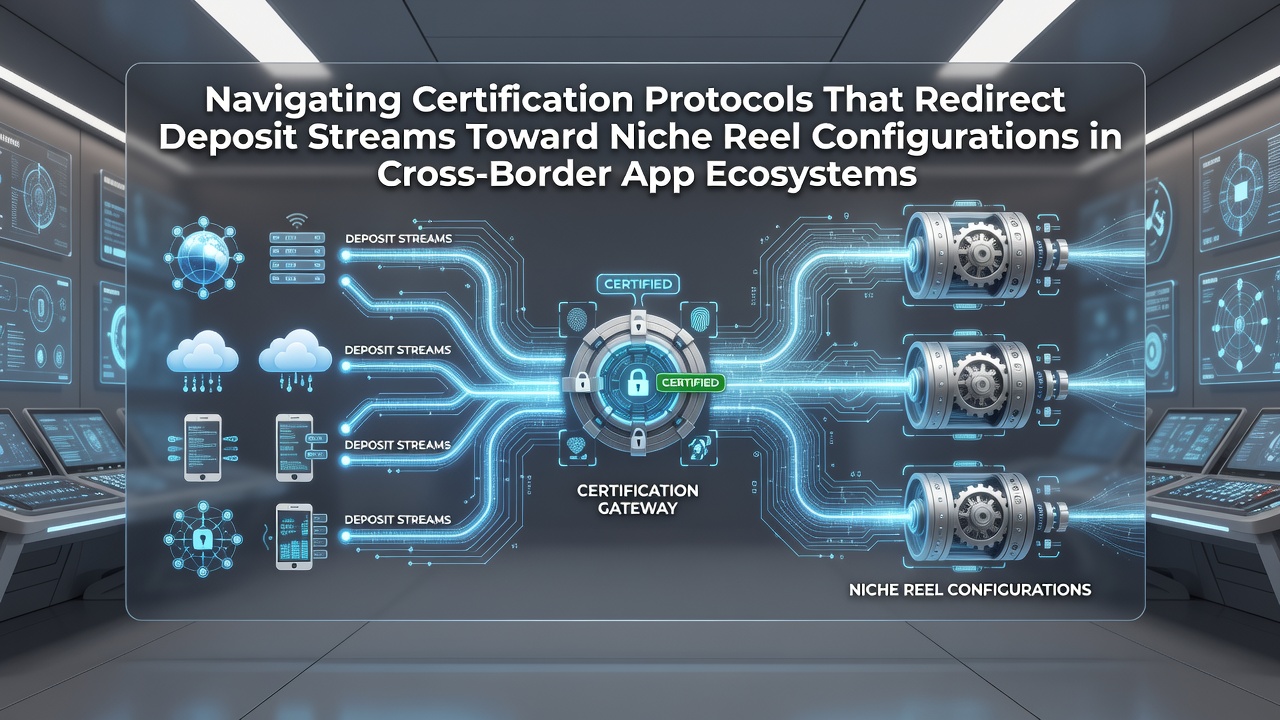
Navigating Certification Protocols That Redirect Deposit Streams Toward Niche Reel Configurations in Cross-Border App Ecosystems
Certification protocols in cross-border mobile gaming applications establish verification layers that influence how player deposits flow into particular slot mechanics, and observers note that these frameworks often channel funds toward configurations with fewer reels or specialized symbol distributions rather than standard five-reel layouts. Regulatory agencies across multiple jurisdictions require operators to demonstrate compliance before approving deposit pathways, which in turn shapes the reel variants that receive priority placement within app interfaces.
Core Elements of Certification in Mobile Ecosystems
Agencies such as the Malta Gaming Authority and teh Nevada Gaming Control Board maintain distinct approval sequences that examine software integrity, random number generation, and payout structures before deposits can reach niche reel options. These checks extend to cross-border data transfers, where operators must align with both origin and destination rules, and data from 2025 shows that delays in certification frequently limit access to experimental reel formats until August 2026 updates take effect in several markets. Operators who complete the process early gain the ability to direct streams toward reels that feature clustered symbols or reduced payline counts, configurations that regulators have already vetted for fairness metrics.
Deposit Routing Mechanisms and Reel Specialization
Once certification clears, app architectures apply algorithmic routing that assigns deposit portions to certified reel types based on compliance scores. Researchers tracking these systems report that protocols favoring low-volatility niche reels receive higher allocation percentages, because those setups pass variance testing more readily than high-volatility alternatives. In practice, a player completing a deposit in one jurisdiction sees the funds segmented across multiple reel categories, with certified niche configurations positioned first in the queue. This segmentation occurs automatically after the app confirms that each reel variant meets the jurisdictional standards embedded in the certification file.

Cross-Border Variations in Protocol Application
Jurisdictions apply certification requirements differently when apps operate across borders, and figures from the Australian Communications and Media Authority indicate that Australian-licensed operators must re-certify reel mechanics each time they expand into new regions. European operators, meanwhile, coordinate through the European Gaming and Betting Association to harmonize testing criteria, which reduces duplication yet still requires separate validation for each niche reel type. Those who manage multi-jurisdiction portfolios find that protocols in one market can block deposit access to reels approved elsewhere, forcing developers to maintain parallel configurations until full alignment occurs.
Technical Implementation of Reel Configuration Controls
Developers embed certification tokens within app code so that deposit engines recognize only pre-approved reel variants. When a token matches the active jurisdiction profile, the system unlocks the corresponding niche reel set and directs a measurable share of the incoming deposit stream toward it. Reports compiled by the International Association of Gaming Regulators show that this token-based approach cut unauthorized reel access incidents by measurable margins in the first half of 2026. Operators update these tokens monthly, and August 2026 revisions introduced new fields that track symbol distribution patterns more precisely, further narrowing which reel configurations qualify for deposit allocation.
Regulatory Reporting and Audit Requirements
Operators submit periodic reports that detail how much of each deposit stream reached certified niche reels versus standard layouts. The Ontario Lottery and Gaming Corporation requires these submissions quarterly, and similar bodies in other regions follow comparable schedules. Audit trails link each transaction to the certification record that authorized the reel variant, allowing regulators to verify that deposit routing stayed within approved parameters. Non-compliance triggers temporary suspension of the affected reel configurations until the operator corrects the routing logic and passes re-inspection.
Conclusion
Certification protocols continue to shape deposit distribution across cross-border app ecosystems by establishing clear pathways to vetted niche reel configurations. Regulatory bodies in diverse regions maintain oversight through token systems, audit trails, and periodic revalidation, while operators adjust routing logic to remain compliant. Data gathered through August 2026 illustrates ongoing refinement of these mechanisms as new reel variants undergo testing and receive approval for deposit allocation.