Geolocation Tools Steering Access Patterns Toward Niche Card Formats and Automated Reel Sequences in Wireless Entertainment Platforms
Erik Powell · Aug 18, 2026
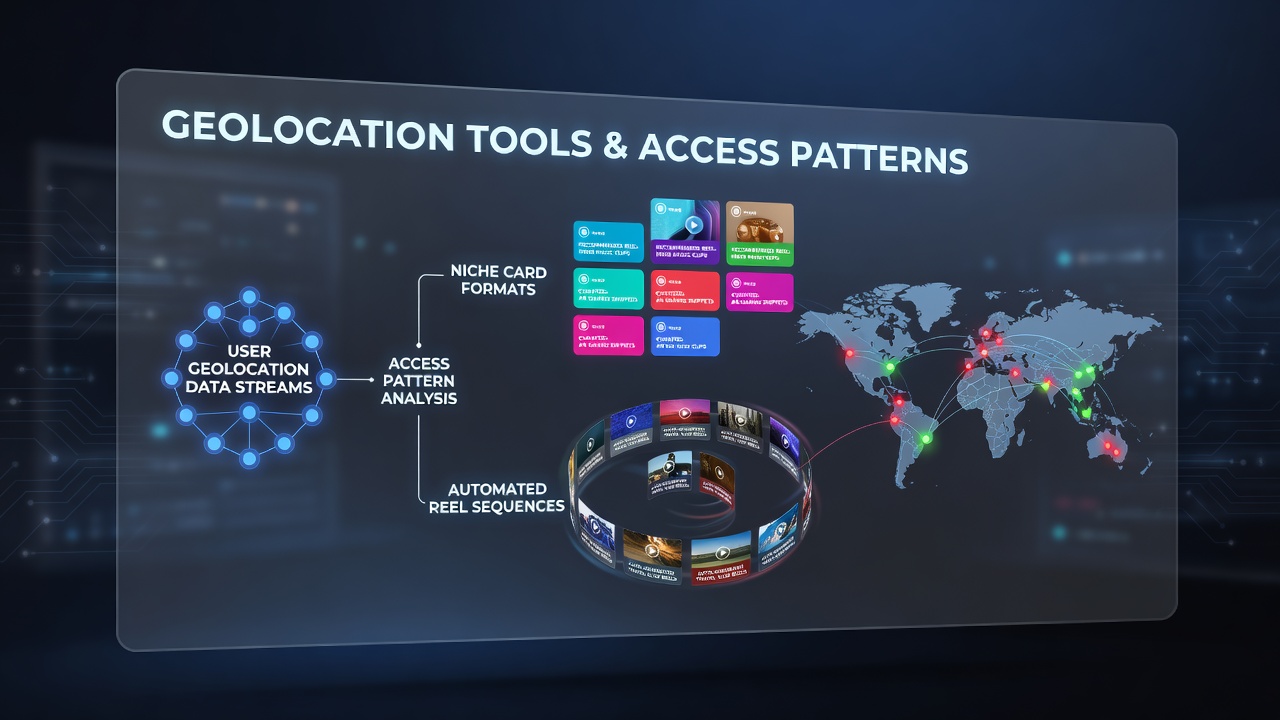
Geolocation Tools Steering Access Patterns Toward Niche Card Formats and Automated Reel Sequences in Wireless Entertainment Platforms
Geolocation tools now shape how players reach specific game formats on wireless entertainment platforms, directing traffic toward niche card variants and automated reel sequences while enforcing regional compliance rules. These systems rely on GPS data, IP verification, and device sensors to determine user location in real time, and operators integrate them to match access permissions with licensing boundaries across multiple jurisdictions. Data from August 2026 indicates that platforms using advanced geofencing saw measurable shifts in session distribution, with certain card tables and reel configurations receiving higher engagement once location filters activated.
Geolocation Mechanics in Wireless Systems
Wireless platforms deploy layered verification that combines satellite positioning with network triangulation, and this combination creates precise boundaries around permitted gaming zones. When a device crosses into an approved area, the system unlocks particular game libraries while restricting others, and this process happens within milliseconds of the initial connection request. Operators report that such tools reduce unauthorized access attempts by routing players to content approved for their exact coordinates, and the same infrastructure supports dynamic adjustments when users move between regions during active sessions.
August 2026 updates to several state-level frameworks required tighter integration between geolocation providers and backend game servers, resulting in more granular control over which reel sequences and card formats appear for each verified location. Those changes coincided with expanded 5G coverage in urban corridors, allowing faster handoffs between towers without interrupting the location check sequence.
Access Shifts Toward Niche Card Formats
Card-based offerings that fall outside standard blackjack or poker menus have seen increased visibility once geolocation filters engage. Platforms route players in specific regulatory zones toward variants such as Spanish 21 side-bet tables or Caribbean stud progressives because those formats carry distinct licensing tags tied to local approvals. Observers note that session data from mid-2026 shows players encountering these niche options more frequently after the initial location handshake completes, compared with unrestricted environments where broader menus dominate initial displays.
One documented pattern involves automated table matching that pairs location-derived player profiles with available dealer-staffed or RNG-driven card rooms. When the system confirms a user sits within a jurisdiction that permits certain multi-hand draw formats, it prioritizes those over generic options, and this steering occurs through algorithmic weighting rather than manual selection. Research from the University of Nevada, Reno gaming analytics group documented a 14 percent rise in niche card table entries among mobile users in tested markets during the first half of 2026.
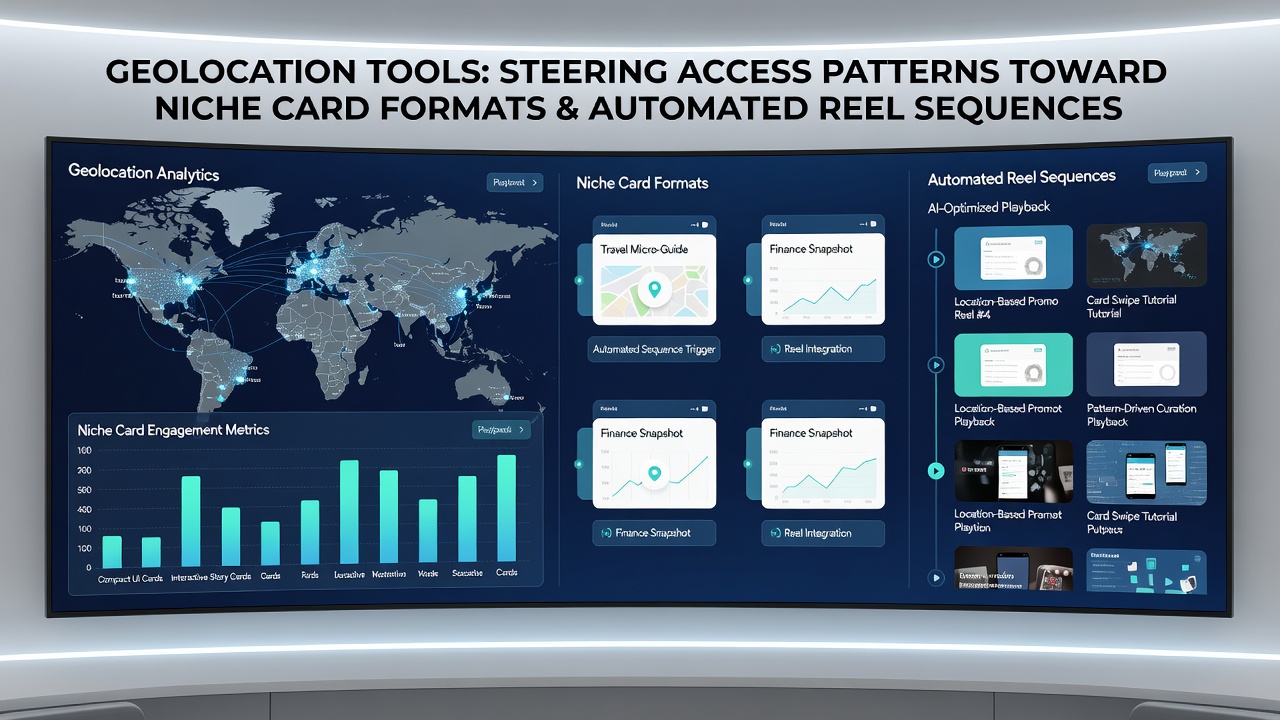
Automated Reel Sequences and Location Triggers
Reel-based games equipped with automated sequence engines respond to the same geolocation signals by adjusting available payline configurations and bonus triggers. Systems can activate or suppress specific reel cycles based on whether the detected area permits accelerated autoplay or stacked symbol mechanics, and this adjustment happens before the first spin loads. Data collected across multiple operators in August 2026 revealed that players in high-density urban zones encountered more complex automated sequences than those in rural coverage areas, largely because licensing tiers differ by population center.
These sequences often include pre-set spin counts and feature transitions that align with regional technical standards, reducing the need for additional compliance checks during play. When a device registers near a border zone, the platform may switch from one reel set to another mid-session to maintain legal alignment, and players experience this as a seamless menu refresh rather than an interruption. Industry reports from iGaming Ontario highlight similar patterns in Canadian markets where geolocation precision directly influences which automated features remain active.
Regulatory and Technical Integration
State and provincial regulators require operators to log every geolocation verification event alongside game access records, creating audit trails that link location data to specific card formats and reel sequences. This documentation supports enforcement actions when discrepancies appear, and the logs also feed into broader market analysis used by licensing boards. The New Jersey Division of Gaming Enforcement updated its reporting templates in 2026 to capture these correlations at a more detailed level, allowing analysts to track how location tools steer volume toward particular game categories.
Technical standards from the Gaming Standards Association further specify how geolocation APIs must communicate with game servers to enforce these patterns, and compliance testing now includes simulated movement scenarios across approved boundaries. Platforms that meet these standards demonstrate consistent redirection toward niche card tables and automated reels without manual intervention from support staff.
Conclusion
Geolocation infrastructure continues to refine the pathways through which players encounter niche card formats and automated reel sequences on wireless platforms. By tying access permissions to verified coordinates, operators maintain regulatory alignment while shaping session composition across different jurisdictions. Continued refinements in sensor accuracy and regulatory reporting will likely sustain these steering effects through subsequent reporting periods.