Decoding Biometric Authentication Flows That Unlock Progressive Jackpot Pools in Cross-Border Digital Gaming Networks
Cameron Krüger · Jul 19, 2026
Decoding Biometric Authentication Flows That Unlock Progressive Jackpot Pools in Cross-Border Digital Gaming Networks
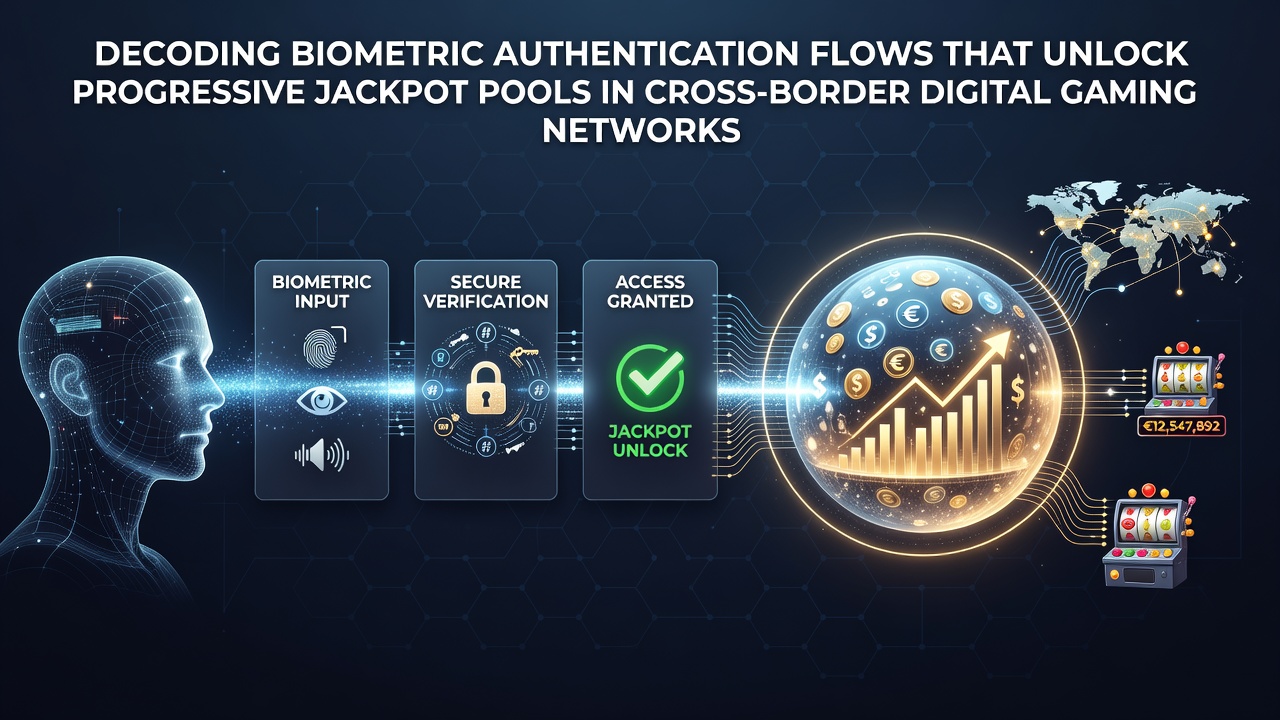
Biometric authentication flows have become central to how players gain entry to progressive jackpot pools that span multiple jurisdictions in digital gaming networks, and operators now integrate fingerprint scans along with facial recognition and voice patterns to verify identities before releasing pooled funds. These systems connect player accounts across borders while satisfying local licensing rules that differ from one region to another, so the authentication sequence must route data through secure channels that respect each territory's data protection standards. Research indicates that such layered verification reduces unauthorized access attempts by measurable margins, yet the process still requires precise timing because jackpot eligibility often depends on real-time confirmation of player location and account status.
How Biometric Sequences Operate in Practice
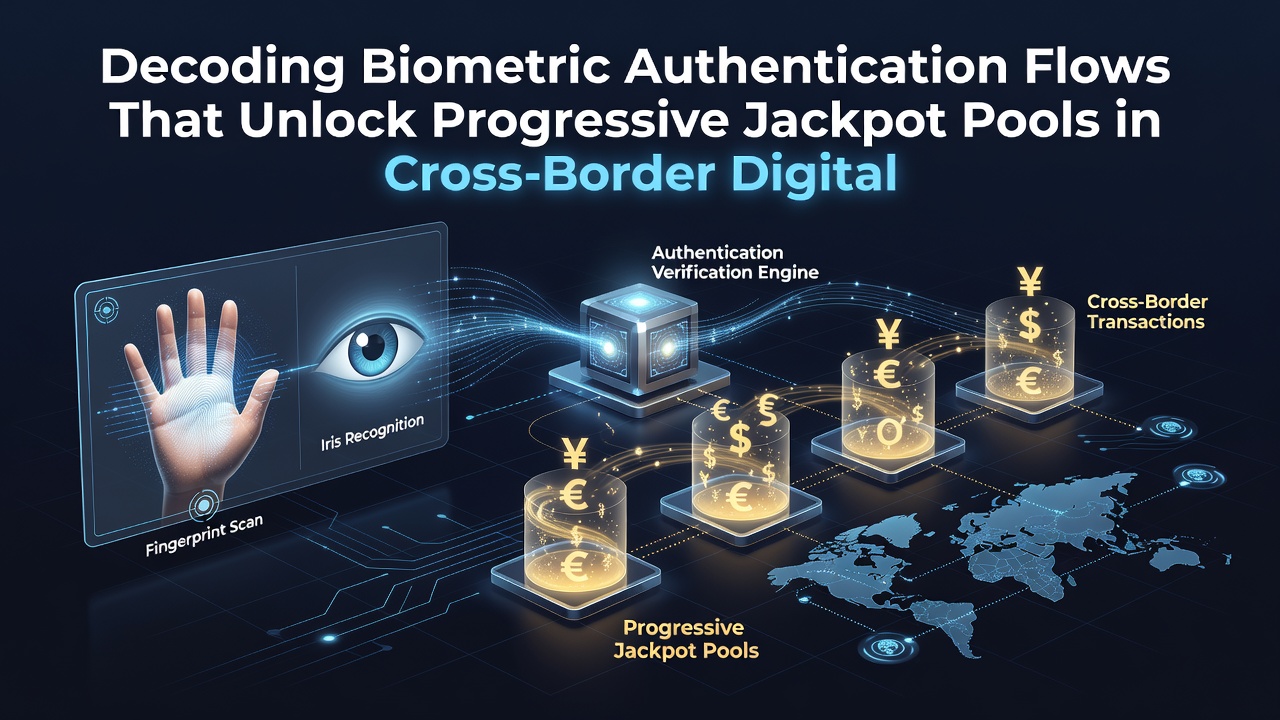
Operators design authentication flows that begin with a device-level capture of biometric data, then compare that input against stored templates held in encrypted servers located in licensed jurisdictions, and the comparison happens before any jackpot contribution is tallied or any payout is authorized. When a player initiates a session in one country while the jackpot pool accumulates contributions from participants in several others, the flow pauses until the system confirms both identity and geographic compliance, after which the account unlocks access to the shared prize tier. Data shows that these pauses average under two seconds when networks operate at optimal capacity, and the same flows also log each verification event for audit purposes that regulators review during compliance checks.
Progressive Jackpot Mechanics Across Networks
Progressive pools grow through small percentages taken from each qualifying wager, and the biometric step acts as the final gate that releases a verified player into the pool's contribution and distribution cycle. Cross-border networks must synchronize these contributions in milliseconds because currency conversions, tax withholdings, and eligibility flags all depend on accurate player verification at the moment of play. Observers note that systems developed by major platform providers now embed biometric checks directly into the game client so the jackpot meter updates only after the authentication handshake completes successfully, preventing any mismatch between reported player location and actual contribution records.
Regulatory Requirements in Different Regions
Regulators in North America and Europe impose distinct rules on how biometric templates travel between servers, and platforms therefore maintain separate data centers that keep templates within the geographic boundaries required by each license. As of July 2026, updated guidance from the Nevada Gaming Control Board and the Malta Gaming Authority has clarified reporting intervals for biometric access logs, requiring operators to submit anonymized verification statistics on a quarterly basis. These requirements influence how authentication flows are coded because any delay in log delivery can affect a platform's standing with multiple licensing bodies simultaneously, while the same logs also help resolve disputes when a player claims a jackpot from outside the permitted area.
Technical Integration and Security Layers
Engineers combine biometric data with device fingerprinting and behavioral signals so the authentication flow can detect anomalies such as rapid location changes or mismatched hardware identifiers before granting jackpot access. The process uses end-to-end encryption that meets standards referenced in reports from the International Association of Gaming Regulators, and each successful verification triggers an immutable record stored on distributed ledgers that auditors can inspect without exposing raw biometric information. Studies conducted by university research teams have examined the error rates of these combined methods and found that false rejection rates drop when operators allow fallback to secondary verification methods that still satisfy regulatory thresholds.
Player Journey Through Cross-Border Verification
A player in one jurisdiction places a wager that contributes to a multi-country progressive pool, the system captures biometric input at the moment of the bet, and the flow routes the encrypted template to the nearest compliant verification node before the contribution is added to the shared meter. If the player later attempts to claim a prize while traveling, the authentication sequence rechecks location against the original license boundaries and either unlocks the payout path or routes the claim through a different licensed entity. This routing logic prevents regulatory conflicts yet still permits seamless participation across networks that share the same jackpot infrastructure.
Future Developments in Authentication Standards
Industry groups continue to test standardized biometric protocols that would allow faster handshakes between platforms licensed in different countries, and early trials indicate reduced latency when templates are tokenized rather than transmitted in full form. Regulators in additional jurisdictions have signaled interest in adopting similar approaches, which would expand the number of networks able to pool jackpots without creating new compliance bottlenecks. The ongoing refinement of these flows remains tied to technological improvements in encryption and template storage that keep pace with both security expectations and player volume growth.
Conclusion
Biometric authentication flows serve as the operational backbone that lets progressive jackpot pools function across borders while meeting the varied demands of licensing authorities and security protocols. The sequences integrate identity verification, location checks, and audit logging into single continuous processes that operators refine as regulatory expectations evolve. Data from multiple oversight bodies confirms that these systems handle increasing transaction volumes without compromising the integrity of pooled prize distribution. As platforms expand their cross-border offerings, the same authentication architecture will continue to determine which players gain access to the largest available jackpots at any given moment.