Audit Trails Linking Licensing Checks to Unlocked Multipliers Across Reel and Card Variants
Greta Brooks · May 26, 2026
Audit Trails Linking Licensing Checks to Unlocked Multipliers Across Reel and Card Variants
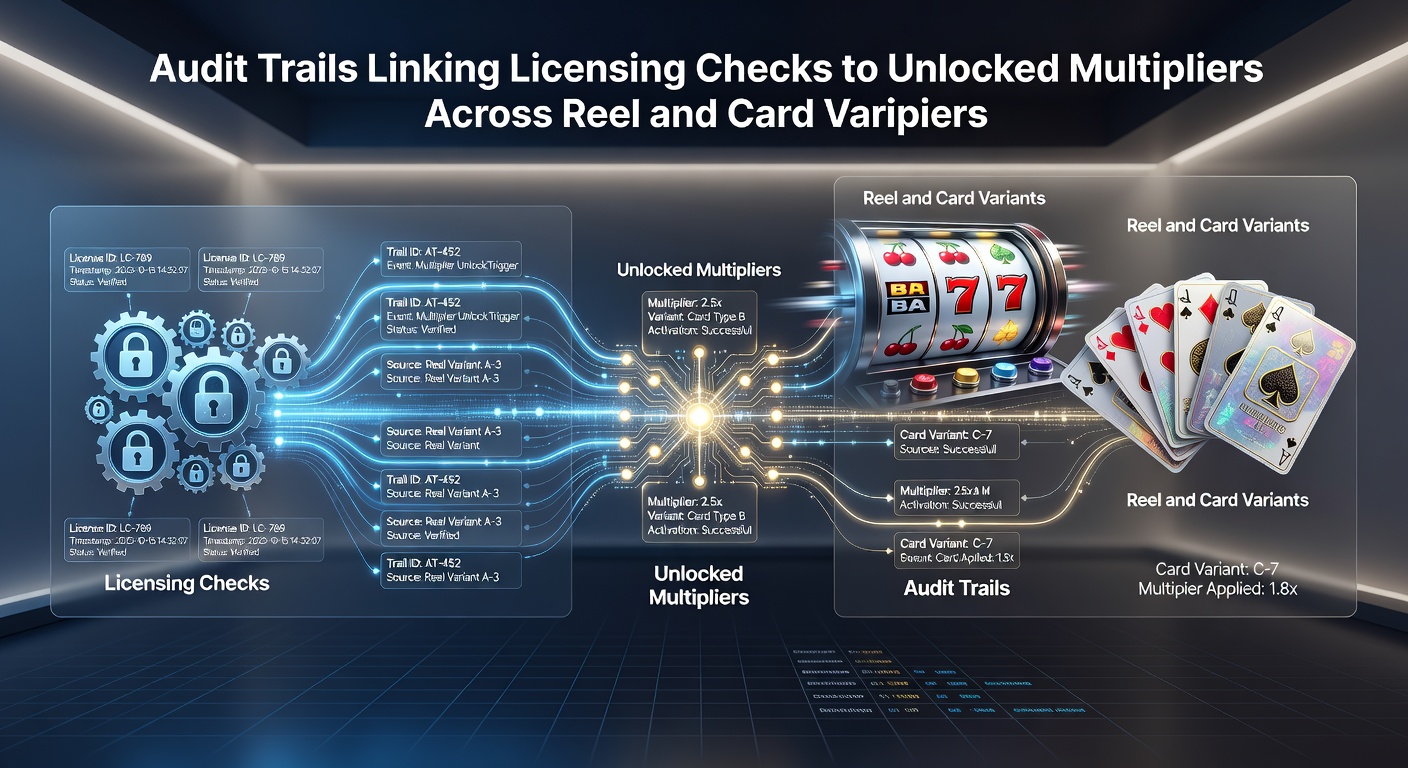
Regulatory frameworks in multiple jurisdictions now require detailed audit trails that connect licensing verifications directly to the activation of unlocked multipliers in both reel-based games and card variants, creating traceable records that operators must maintain across all platforms. These systems track every step from initial license validation through to feature unlocks, ensuring that multipliers in slot mechanics and table game bonuses activate only after compliance checks clear specific thresholds. Data from state gaming authorities indicates that such linkages have become standard in licensed operations by May 2026, with reports showing increased scrutiny on how these trails prevent unauthorized feature releases.
Core Components of Audit Trail Systems
Operators integrate audit trails as sequential logs that record licensing status checks at multiple points during gameplay sessions, and these logs flag any discrepancies before multipliers can engage in reel spins or card draws. The process starts with automated queries to licensing databases, which then feed into game servers that control multiplier availability. Studies from research institutions reveal that this layered approach reduces instances of non-compliant feature activation by significant margins, particularly when reel variants offer progressive multipliers and card games unlock situational boosts during live dealer rounds.
What's notable here involves the timestamping mechanisms that synchronize licensing data with game state changes, allowing regulators to reconstruct events where an unlocked multiplier appeared in a reel sequence or card hand. Experts at gaming technology firms have documented how these trails incorporate cryptographic hashes to secure the records, making alterations detectable during routine audits. In May 2026 several North American operators updated their systems to align with new reporting standards that emphasize real-time verification for both reel and card formats.
Licensing Verification Processes Across Jurisdictions
Licensing checks occur at account creation, deposit confirmation, and periodic intervals during extended play, with each verification step feeding into the audit trail before any multiplier unlock becomes possible. Regulatory bodies such as the New Jersey Division of Gaming Enforcement mandate that these checks reference active operator licenses and player eligibility criteria, linking the results directly to game configuration files. Figures from industry reports show that card variants often require additional identity validations compared to reel games because of their interactive elements, which can trigger multiplier releases based on hand outcomes.
Operators in regions overseen by the Malta Gaming Authority maintain similar protocols, where audit trails document the exact moment a licensing flag permits multiplier activation in either reels or cards. This creates a chain of custody that auditors review quarterly, and data indicates higher compliance rates in facilities that automate these linkages rather than relying on manual reviews. One case from a European operator demonstrated how an interrupted licensing check prevented a multiplier from engaging in a card variant until the issue resolved, preserving the integrity of the trail.
Multiplier Unlocks in Reel Variants
Reel-based games utilize audit trails to gate multiplier features behind verified licensing states, so that symbols or bonus rounds only apply enhanced values after the system confirms compliance. These trails log every spin where a potential unlock occurs, cross-referencing against player accounts and operator credentials. Research indicates that this method helps distinguish legitimate feature releases from those that might bypass controls, especially in games with cascading reels or expanding wilds that carry multipliers.
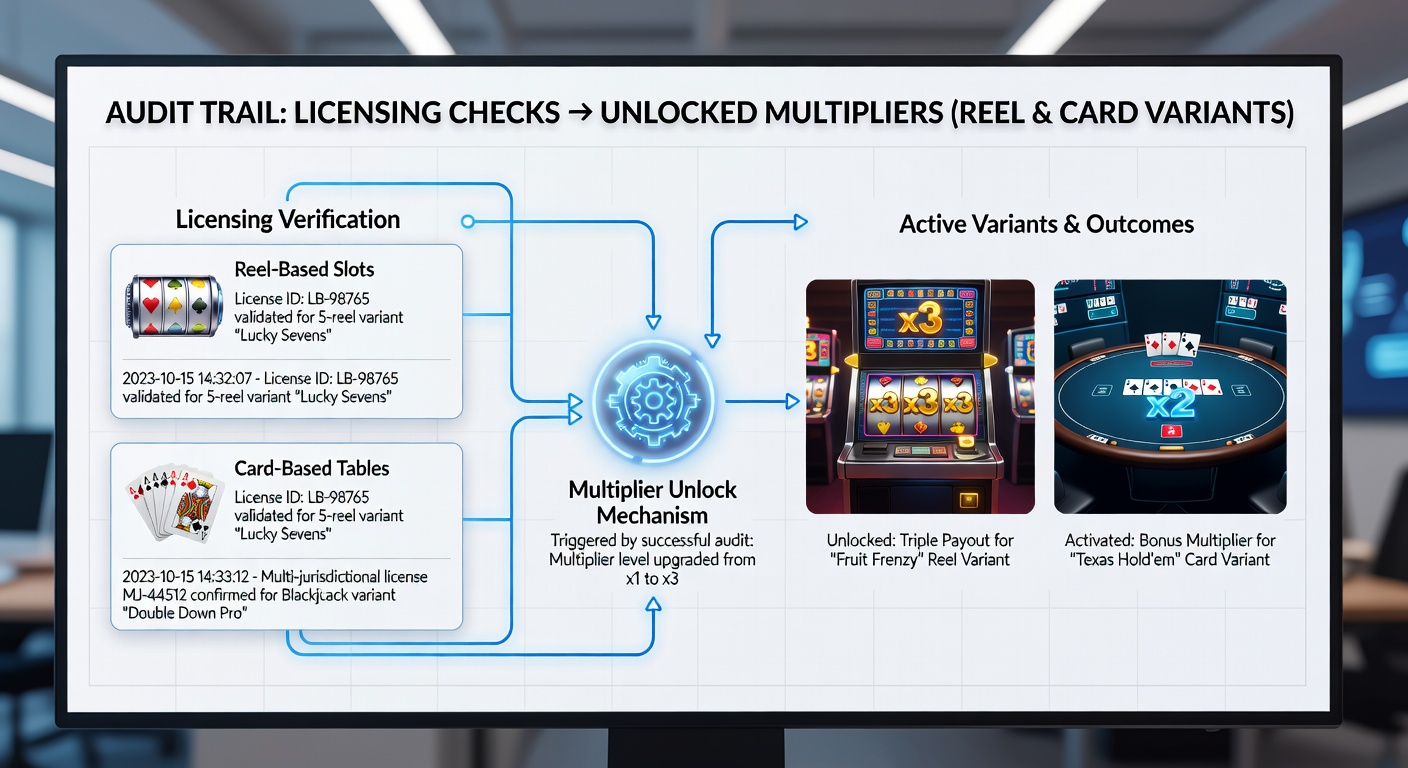
Operators report that reel variants benefit from streamlined trails because their mechanics follow predictable patterns, allowing easier mapping of licensing checks to unlock events. Yet card variants introduce variables like player decisions that complicate the same linkages, requiring trails to capture decision trees alongside compliance data. In May 2026 updates from several US state regulators highlighted how reel games achieved faster audit completion times due to these structural differences.
Application in Card Game Variants
Card variants such as blackjack and poker employ audit trails that record licensing verifications at the start of each shoe or hand sequence, ensuring multipliers tied to specific outcomes activate only under approved conditions. These records include details on deck integrity checks and dealer certifications, which connect to multiplier triggers like insurance payouts or side bet bonuses. Observers note that the added complexity in card mechanics demands more granular logging compared to reels, where outcomes derive from random number generators alone.
Trail systems in card environments often incorporate live monitoring feeds that timestamp licensing status alongside game events, creating comprehensive datasets for regulatory review. Data shows this approach supports smoother operations in multi-table setups, where unlocked multipliers can appear across simultaneous card games without compliance gaps. Facilities that integrate these trails report consistent adherence to jurisdictional rules governing feature availability.
Integration Challenges and Technical Solutions
Connecting licensing checks to multiplier unlocks requires robust API connections between regulatory databases and game engines, and audit trails serve as the intermediary that validates each handoff. Technical solutions include distributed ledger elements that timestamp entries across reel and card platforms simultaneously, reducing latency in verification processes. Industry associations have published guidelines on standardizing these integrations, noting variations in implementation between reel-focused and card-focused operators.
Challenges arise when cross-border play introduces differing licensing requirements, yet audit trails adapt by maintaining jurisdiction-specific flags that control multiplier access accordingly. Reports from 2026 indicate ongoing refinements in these systems, particularly as more operators expand card variants alongside established reel offerings.
Conclusion
Audit trails that link licensing checks to unlocked multipliers provide a verifiable framework across reel and card variants, supporting regulatory oversight while maintaining operational continuity in licensed gaming environments. These systems continue to evolve with technological advancements and jurisdictional updates observed through May 2026, ensuring that feature activations remain tied to documented compliance pathways.